



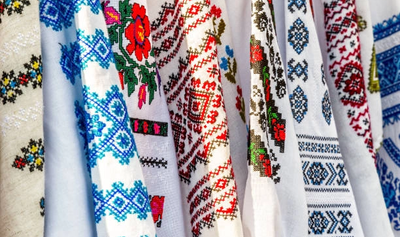


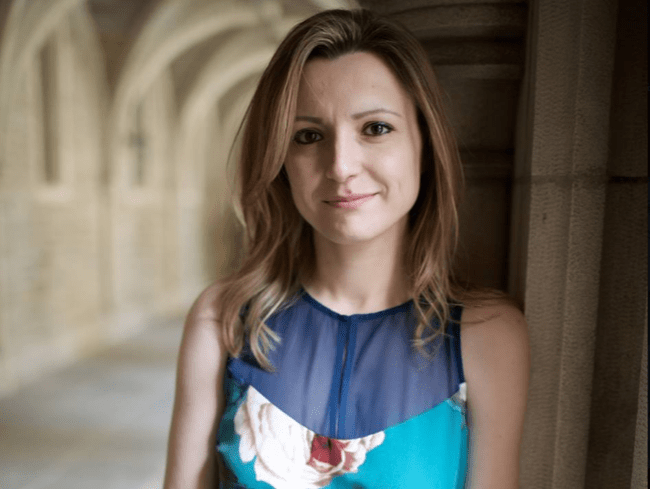
Ia is a form of knowledge and exists thanks to women, founder of La Blouse Roumaine community Andreea Diana Tanasescu said on Thursday evening at the launch of the catalogue of the landmark exhibition 'Romania. The identity representation of traditional costume in art,' held at the headquarters of the National Museum of Art of Romania.
'Ia [La Blouse Roumaine/The Romanian Blouse] is not decoration, it is structure, it is language, it is a form of knowledge. And this must be said very clearly: ia exists thanks to women. Not as muses, not as inspiration, but as authors. Entire generations of women have passed from hand to hand this object-text, this body of knowledge, this system of signs. Without academies, without museums, without institutional validation. Traditional costume is their art, a rigorous, codified art, transmitted through practice, memory and responsibility. In its embroidery are inscribed the relationship with nature, with divinity, with community and with one's own body, but most importantly with one's own soul. It is a feminine alphabet of the world,' Tanasescu said.
She stressed that ia teaches us not only what is beautiful, but also what is durable, transmissible and alive.
'The identity of the 21st century is changing at an accelerated pace. Technology compresses time, fragments attention and standardises cultural forms. In this context I believe that ia teaches us not only what is beautiful, it also teaches us what is durable, what is transmissible, what is alive. I do not believe ia can be defined in the classical sense. I see it rather as a matrix, a living matrix, which continuously generates meaning, memory and belonging, a form that gathers within it time, experience, emotion and faith. And perhaps most importantly, it functions as a maternal form: it covers, protects, contains, it does not impose and does not dominate, but holds, binds and transmits,' Andreea Tanasescu pointed out.
The founder of the La Blouse Roumaine community also warned that, in the context of the emergence of artificial intelligence, forms of knowledge created by women and transmitted informally are becoming the most vulnerable.
'Today we are reaching a turning point, artificial intelligence, abbreviated as AI as well [IA in Romanian, 'ia' is the form of the noun carrying the definite article in Romanian, while 'ie' is the form of the noun without the definite article or used with the indefinite article], a moment that forces us to ask serious questions about authorship, memory, appropriation and responsibility. Because forms of knowledge created by women and transmitted informally are today the most vulnerable. Perhaps this exhibition is also a warning, but it is also an invitation to treat ia not as an object of cultural, political or ideological consumption, but as a matrix, as a living system, as a guide. Because it does not belong to the past, it prepares us for the future,' Andreea Tanasescu added.
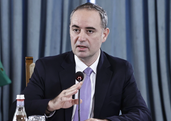
In turn, Director General of the National Museum of Art of Romania Erwin Kessler, the curator of the exhibition and author of the catalogue, said that the published work 'is a much more critical analysis than the exhibition suggests.'
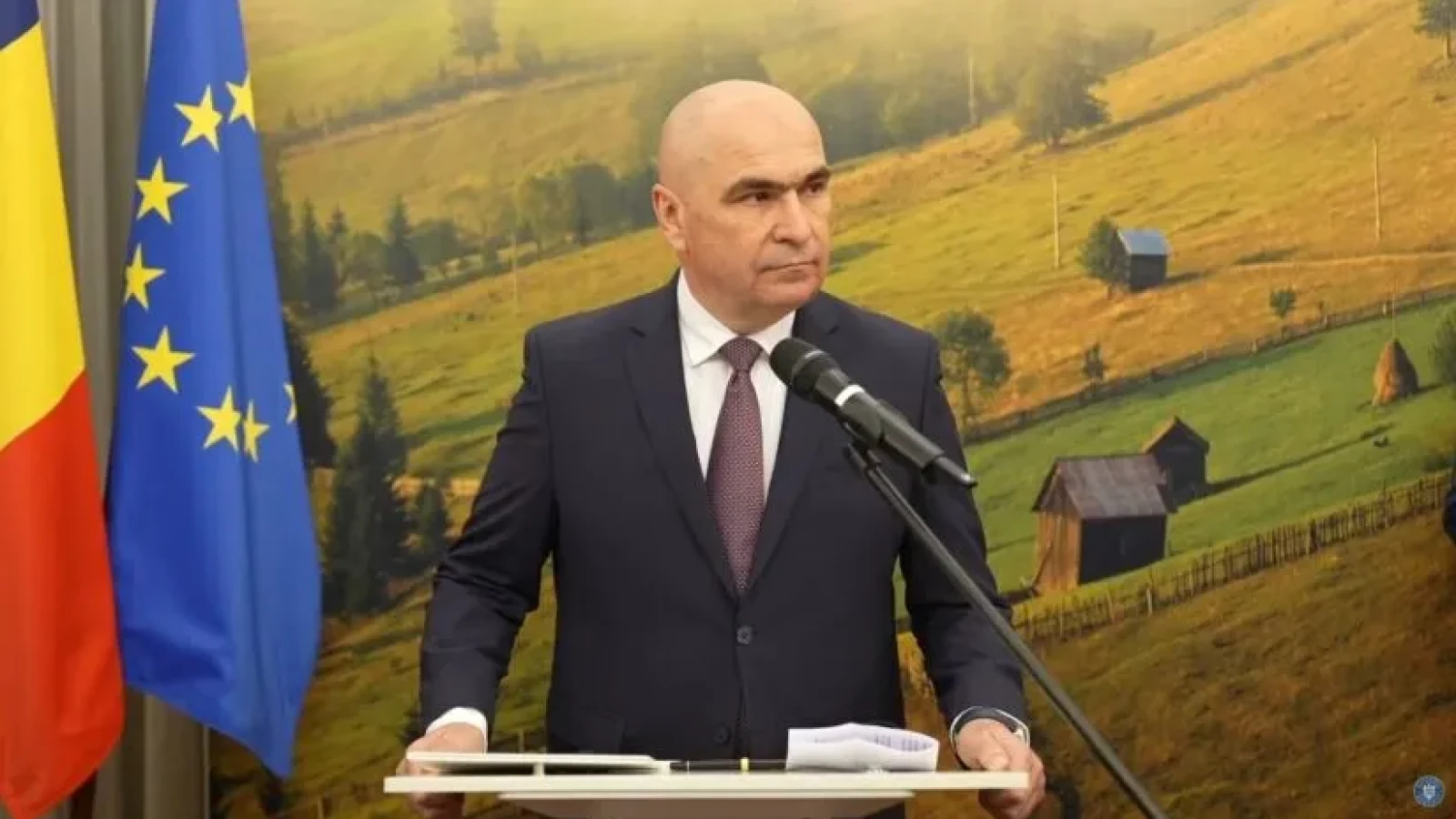
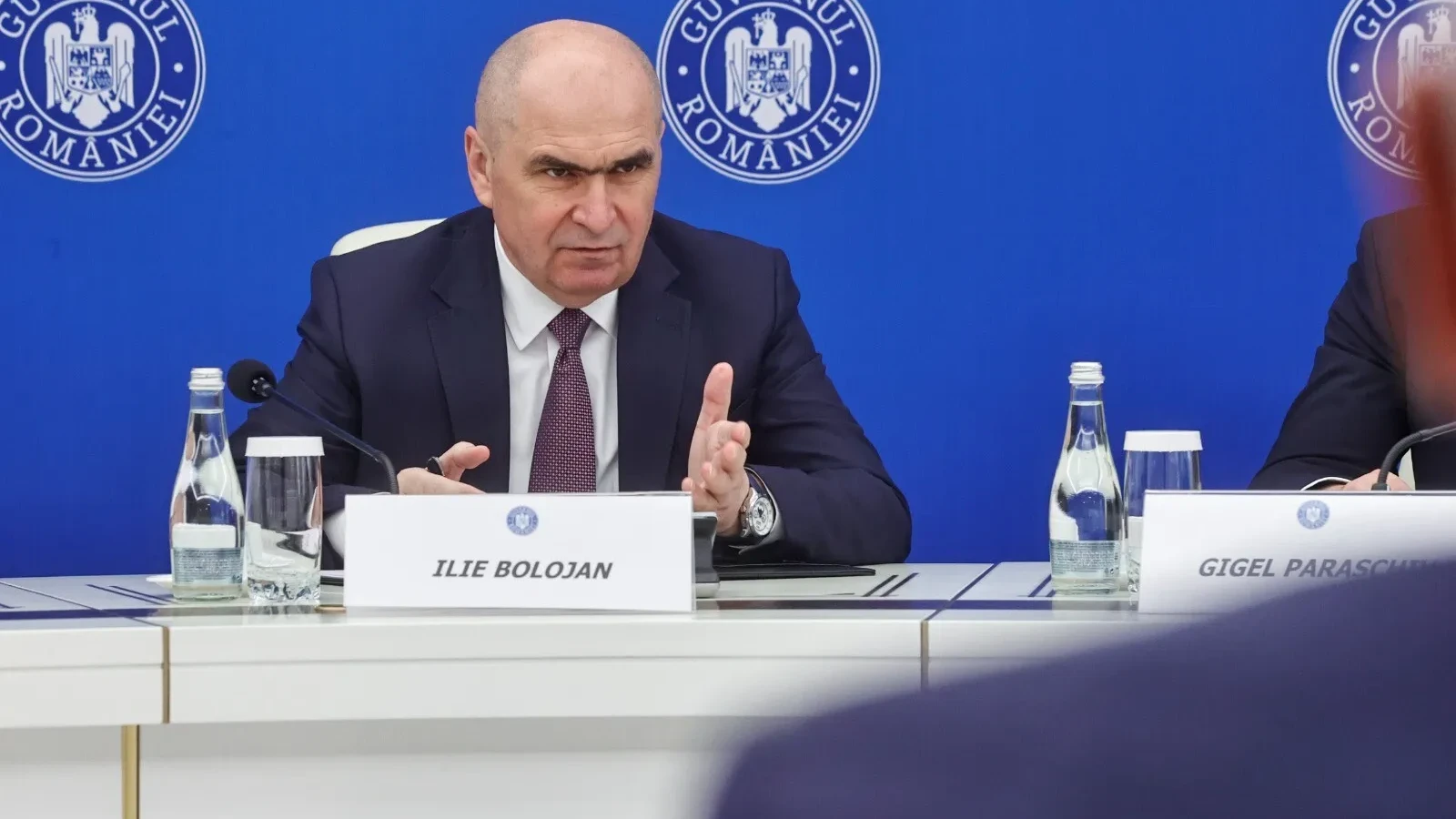
'You will see for yourselves, the book is not an ode to traditional costume, it is not an ode to the ie, it is a much more critical analysis than the exhibition suggests. The exhibition is designed, like all the exhibitions I have worked on, first and foremost to please. I take pleasure in giving pleasure (...), whereas when I write I also allow myself the pleasure of causing displeasure. Writing is a developer, perhaps sometimes more powerful than the eye and that is why you will see another face of the exhibition in this book and I hope that afterwards you will want to see the exhibition again after engaging with the book,' Erwin Kessler said.
According to the critic, 'like the exhibition, the catalogue highlights the use in art of traditional costume and especially of the ie as a mental construct, crucial in the visual aggregation of national identity, from the earliest times to the present day.'
'The broad historical and geographical scope of the exhibition also offers a critical perspective on the propagandistic use of the ie under the various totalitarian regimes through which Romania passed in the 20th century, which the exhibition makes visible and accessible to our society, in order to encourage attention, reflection and creation,' the Director General of the National Museum of Art of Romania said, according to a press release from the museum institution.
The launch of the catalogue marks the final days of the exhibition, which will remain open until 8 February.













Comentează