



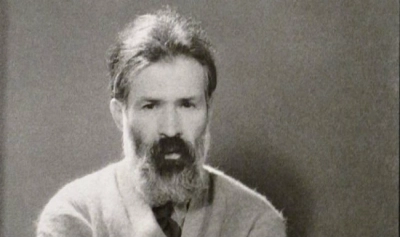


Our responsibility is to support authentic values while they are about to be formed, not just after they are already established, Mireille Radoi, director of the 'Carol I' Central University Library, said on Wednesday at the symposium "Constantin Brancusi, creator of modern sculpture - I made the stone sing", dedicated to the 150th anniversary of the sculptor's birth.
The symposium, organized by the 'Carol I' Central University Library in collaboration with the Academy of Romanian Scientists (AOSR) and moderated by Associate Professor and BCU general director Mireille Radoi, and AOSR president, Professor Doina Banciu, brought together representatives of the academic community and the French-speaking cultural sphere, a release informs.
Doina Banciu presented Brancusi's works and explained the meaning of the symposium's title, "I made the stone sing", highlighting the balance between technical rigor and the poetry of creation.
Isabelle Perot, Director General of the French Institute in Romania, emphasized the importance of strengthening dialogue between Romania and France through cultural ambassadors such as Brancusi, noting that such bridges endure through cooperation with educational institutions like the 'Carol I' Central University Library or the Agence Universitaire de la Francophonie.
"Today I chose to speak about Brancusi from my perspective as a jurist. I am not an art critic and do not claim to interpret his work, but his journey is relevant to the legal profession: a young man leaving a village in Gorj arrives in Paris with no resources and no connections, and builds a global reputation, creating his own studio and imposing his style. In 1926, his sculpture Bird in Space was subjected to a customs trial in the United States, where authorities challenged its status as a work of art. Contrary to the norms of the time, the sculpture had been classified as an industrial object. Brancusi, supported by Edward Steichen, demonstrated that his work represented abstract art. The court recognized the legitimacy of this form of expression, opening the way for a legal redefinition of modern art. This decision was not only a personal victory for the sculptor; it had a global impact, influencing the art market and the legal protection of creativity. Brancusi shows us that innovation needs legal protection and that the freedom to create requires a framework that defends it," said Isabelle Perot, according to the release.
Dana Gruia-Dufaut, Counsellor for French citizens abroad, noted that the sculptor's path "reminds us that his Romanian roots and universe intersect with France and the international scene, and that this bridge produces excellence". "In this context, Brancusi is not only a creator of forms: he is a symbol of the courage to move forward, to see differently and to create under conditions that respect the dignity of his work," she added.

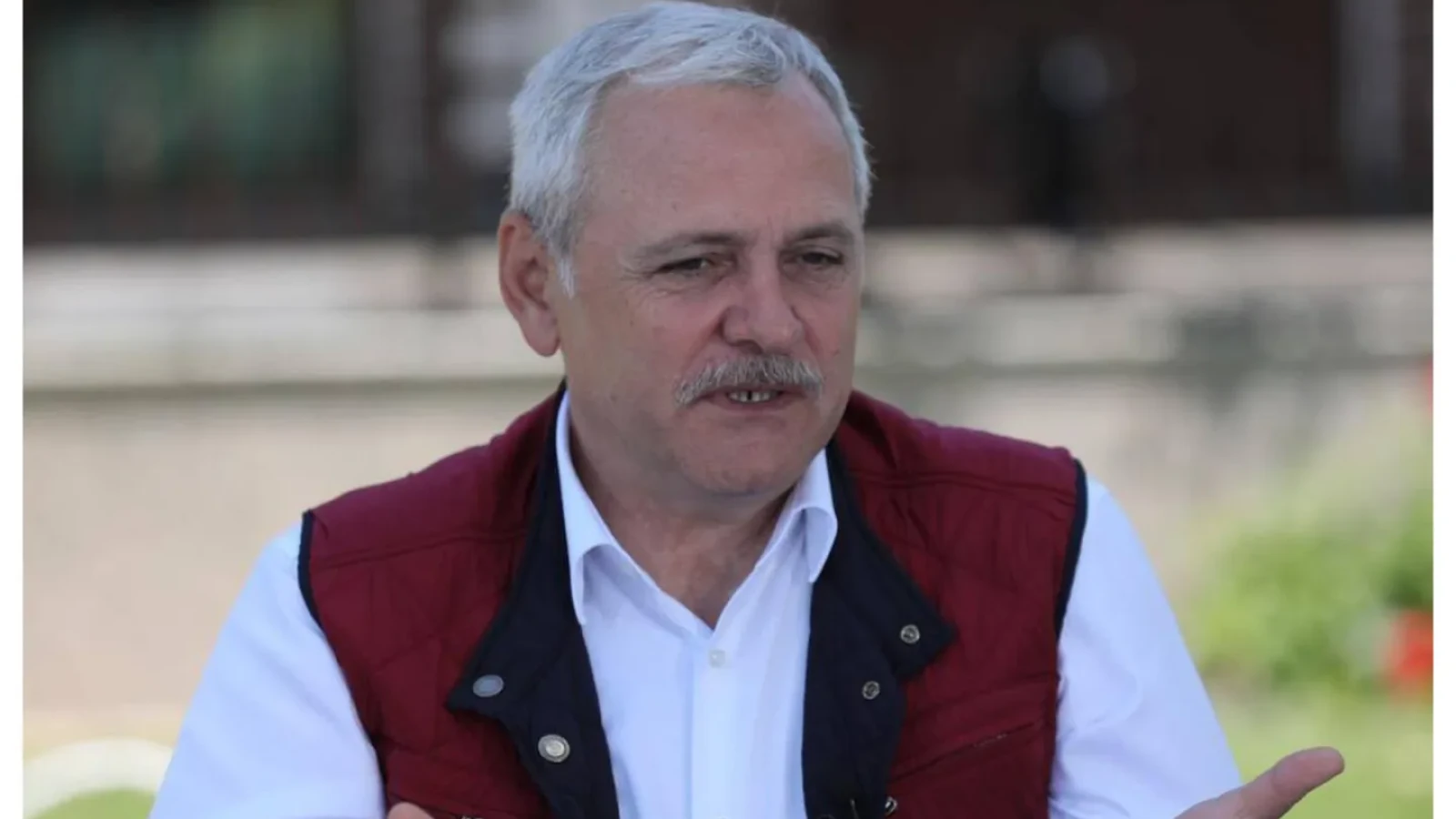
"Brancusi is a name of national and universal heritage. Yet we must acknowledge that we often recognize our values only after their creators are no longer among us or after they have been validated abroad. We see the same pattern in the careers of Caragiale, Enescu or Celibidache. If we want to have valuable cultural ambassadors, we must talk about infrastructure, access to resources and platforms for recognition, and above all, about trust offered at the right time. Young creators need coherent, predictable and responsible institutions, not only posthumous praise. (...) Today we celebrate the courage to see differently, to move forward and to create. This is our responsibility: to support authentic values while they are being formed, not only when they are already established," Mireille Radoi emphasized, as quoted in the release.















Comentează