



Energy prices continue to fuel inflation around the world, and some decline in it is likely to be noticeable at the end of the second quarter, Adrian Vasilescu, strategy consultant at the National Bank of Romania (BNR) told AGERPRES on Wednesday.
"In general, the picture from March is repeated, because in Romania, as well as in the whole of the European Union, there was a surge in prices in March, and we expected that to be the peak and even if there was an increase in April, it would be in the same area. Well, we witnessed a new surge in April, of 13.76%. Very high! And there was a reversal from March, because in March, for the first time in a year, food prices raised more than prices for non-foods, and I thought a new series was starting with more expensive food prices than non-food prices, but that didn't happen. It certainly is a new record high for potatoes. Bread prices also grew significantly, and edible oil prices followed their normal pace but still went very high. Even the prices for margarine grew a lot. So, big increases in food prices, but not generalised. There are still black swans in terms of price raises. Big surprises for non-food prices. Of course, the basic package consists of fuels, a very high increase, heat and gas, but the rising electricity prices made a comeback in April, which influences the prices for 12 months. Electricity was out of pace. Electricity witnessed two months of negative growth, and now it has jumped... A conclusion on the whole picture is that energy continues to fuel inflation all over the world including in Romania. Unlike other countries that are making progress with turning the energy crisis into an energy transition, we are currently floating in metaphysics, because reality is far from the current projections. More precisely, the reality is lagging behind the projections," said Vasilescu.
Asked what we could expect, the BNR official replied that inflation will probably get a little lower at the end of the second quarter, and also at the end of the third quarter, but there are no expectations, neither in Romania nor elsewhere in the European Union, of inflation returning to the two-percent target before the end of 2023.
Vasilescu added that "given the picture, the National Bank resorted to a drastic move yesterday and increased its monetary policy rate."
According to him, energy prices cannot be defeated by any monetary policy, but the influences of these prices on the overall picture "can be hit by monetary policy".
BNR's Vasilescu: We saw more inflation surge in April as energy prices continued to fuel inflation
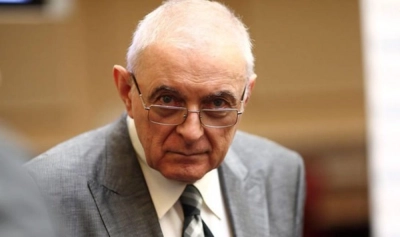
Sursă foto: cotidianul.ro
Distribuie articolul


Distribuie articolul


București 8°C
8°C
8°CArticole Similare

12
Romanian MEPs highlight opportunities and risks for youth in digital age at EP Office Bucharest event
12

29
Romanian troops return home from Iraq amid regional security concerns (MApN)
29

16
Labour minister: Some employers favour non-EU workers for their vulnerability and low cost
16

21
FEATURE: Potlogi Palace, Dambovita County - A journey into Prince Brancoveanu's courtly world
21

38
Tennis player Sorana Cîrstea qualifies for third round at Miami Open (WTA)
38

34
We decide to join statement on ensuring freedom of navigation in Strait of Hormuz (President Dan)
34

19
DNSC official advises against taking cyberattack claims at face value
19

15
COTAR requests reduction in fuel excise duties and warns of risk of chain bankruptcies
15
12
PM, discussions with Ministers of Finance,Economy to find solutions regarding increase in fuel prices
12

20
Nicusor Dan thanks King Philippe of Belgium for his country's contribution to NATO Group in Cincu
20

12
International Francophonie Day/Romania has particularly active profile in field of academic and scientific Francophonie
12

9
Retail sales in Romania, down 6.5pct in January 2026
9
10
Parliament approves 2026 state and social security budgets (roundup)
10















Comentează