



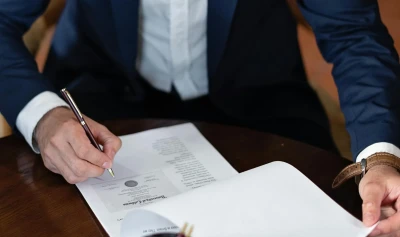


More than a quarter century after negotiations began, the European Union and Mercosur are marking a historic milestone in their bilateral relations with the conclusion of a partnership agreement that brings the two regions even closer together and benefits nearly 700 million citizens, European Commission President Ursula von der Leyen said in a message issued in the context of the signing, on 17 January 2026, of the trade agreement between the two blocs.
The head of the European Commission stresses that the agreement is important for the global economy in its entirety in a year dominated by rising tariffs and trade restrictions, as "it will create one of the largest trade zones in the world, spanning 31 countries and accounting for nearly one-fifth of global GDP. It will strengthen links among like-minded regions at a moment when openness is under threat".
The European Parliament begins its debate on the merits of the agreement next week, exercising its democratic responsibility to grant final approval. In this context, Ursula von der Leyen says in her message that the agreement deserves the broadest support, as its benefits will be felt across every EU member state.
"I look forward to constructive engagement with MEPs to ensure that Europeans benefit fully from the opportunities it offers," the European Commission president states in her message, sent to Agerpres.
"The agreement will eliminate billions of euros in tariffs, open procurement markets and give companies the predictability they need to plan, expand and invest. The 60,000 European companies already exporting to Mercosur will benefit immediately, saving an estimated EUR 4 billion in export duties each year. Many more, especially small and medium-sized enterprises, will gain easier access to a fast-growing market, unlocking new investment, boosting growth, and supporting high-quality jobs across Europe," EC President Ursula von der Layen assures.
"This is an agreement that will drive economic growth on both our continents. We know that because it is a model we have seen work before. Eight years ago, the EU-Canada trade agreement came into force. Since then, bilateral trade has surged by more than 70%, creating high-quality jobs and strengthening Europe's supply chains of critical materials. The EU-Mercosur agreement is expected to deliver similar gains, with EU exports expected to grow by up to EUR 50 billion. These are not abstract figures; they are future success stories for companies and communities across Europe," the European Commission president argues.

According to her, the agreement is based on the complementarity of the economies, as Europe needs secure access to the raw materials that underpin the green and digital transitions, while Mercosur countries benefit from stable access to investment, technology, and diversified markets. The partnership creates mutual advantages, supporting industrial development and better-paid jobs in Latin America, while strengthening supply security and business opportunities for Europe.
Referring to the benefits for European farmers, the European Commission President anticipates that EU agricultural exports are expected to increase by almost 50% and assures that the agreement contains strong safeguards for sensitive agri-food sectors, including mechanisms to limit imports from Mercosur if necessary. "This deal shows that trade openness and protection are not in opposition, they are both hardwired into the agreement's design. So, all sectors of the EU economy - including our farmers - can support it with confidence," Ursula von der Leyen emphasises.
According to her statement, Mercosur countries will recognise more than 350 European geographical indications. "Iconic Romanian products like Topoloveni plum jam, Sibiu salami, and Ibanesti brined white cheese will enjoy strong legal protection in Latin America, exemplifies the EU official, adding that "this will provide significant new opportunities for EU food and drink exports, while we will also ensure that food imported into the EU meets our high standards for health and food safety."
The significance of the EU-Mercosur pact, Ursula von der Leyen underlines, goes well beyond economics, carrying strong strategic value in a context marked by geopolitical fragmentation and the rise of protectionism. Through this partnership, the two blocs choose cooperation and the strengthening of trust-based relations over competition and alignment in opposing camps.
The agreement confirms the European Union's role as a stable and reliable partner for emerging economies and creates a common platform to address major global challenges such as climate change, deforestation and the reform of international institutions, she adds. Its completion sends a clear signal that a more open, predictable and cooperation-based global economy remains possible and beneficial for citizens and economies alike.

















Comentează