



Informal settlements are not legally recognised in Romania, and a first step would be to get the concept of informal settlements in legislation, Habitat for Humanity National Director Roberto Patrascoiu said at the International Housing Forum 2018 - Talks That Build conference on Wednesday.
"Informal settlements are a problem that cannot be ignored, but in Romania, unfortunately, it is ignored even at its base. Informal settlements are not legally recognised in Romania. They exist as thus (...) The mayors say that if they want to do something for them they do not have the legal levers, because those settlements do not exist, there is no way to make investments there. The first step is to get the concept of informal settlement into the legislation (...) Once they exist, not only in reality, but also in legislation, we can talk about subsidies, social integration of those people, housing construction. We have a problem because it is very difficult to get building permits as long as these people do not exist," Patrascoiu told AGERPRES.
Most of the informal settlements in Romania appeared in the 1950s, they continued to develop during periods of economic crisis, and they had the size and sometimes the appearance of 'ordinary' neighborhoods. Unrecognized and unregulated, the phenomenon of informal housing is on the rise, say representatives of Habitat for Humanity.
"Unfortunately, there is a reality in Romania. Figures say there are over 60,000, other figures that there are over 100,000 people living in such informal settlements in Romania," said the director of Habitat for Humanity.
Patrascoiu said that another important aspect for Habitat for Humanity is to improve the social housing legislation.
"In Romania, there is the lowest percentage of social housing in the EU, it is 0.7 percent of the total housing stock, as against Western or Northern Europe, where this percentage is over 20 percent and even more than 30 percent of the population. As well as being few, they are awarded on certain criteria that do not favor the poor. We ar talking about 20 percent of the more wealthy people who get social housing to the detriment of the very poor. (...) Legislation is very inconsistent and we believe that the brick and mortar doctrines, or the construction of social housing, are no longer the only solutions. We can consider subsidising rents for owners who can, because of public subsidies, make their dwelling available as a social dwelling so that the stock of social housing grows. There is a full bevy of measures to improve the housing sector in Romania standing before us and something must be done," Patrascoiu pointed out.
Habitat for Humanity's Patrascoiu: Informal settlements are not legally recognised in Romania
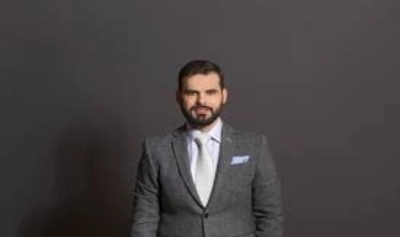
Sursă foto: habitat.ro
Distribuie articolul


Distribuie articolul

Explorează subiectul

București 15°C
15°C
15°CArticole Similare

8
Romanian restaurants want more "local" on the plate, 98 pct seek partnerships with local producers
8

10
Area afected by Danube Delta dry-vegetation fires triples over past decade
10

10
Bucharest Stock Exchange closes mixed in first trading session of the week
10

18
Israel's Elbit Systems pledges start of Watchkeeper X drone deliveries to Romania after repeated delays (Reuters)
18

18
Romania has no fuel supply issues amid Strait of Hormuz closure - President Nicusor Dan
18
8
Sixth edition of Film O'Clock International Festival to kick off on April 16 across 12 countries
8
80
Nicusor Dan to visit, together with HealthMin, major burns center in Timisoara
80
9
Health minister, US envoy discuss technology exchange, healthcare digitalisation
9
15
Nicusor Dan:There is no professional and social integration without equal access to education for Roma citizens
15
10
Navrom scales down Danube ferry operations to Galati County
10

10
National study: 70% of resident doctors consider leaving Romania
10

12
OPIA: Defense industry proposes national project to relaunch and develop production capacities
12
11
Holy Light to be brought to Romania on special flight, Patriarchate representative in Jerusalem confirms
11










Comentează