






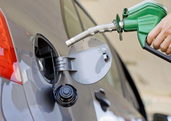
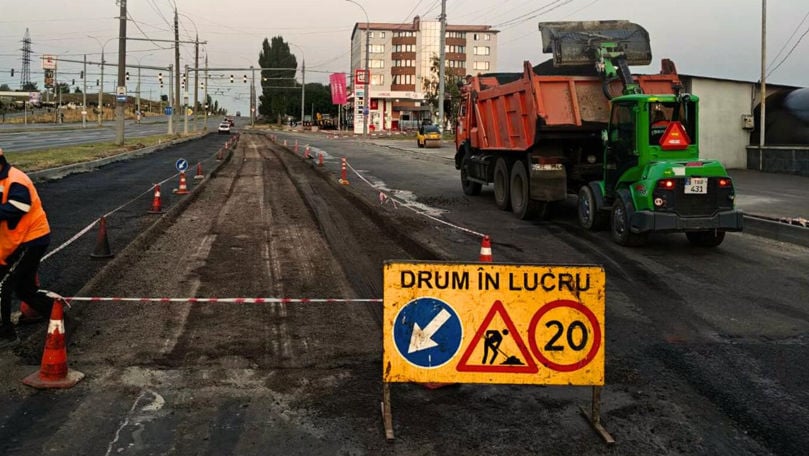
Romanian consumers are likely to feel a noticeable price shock this month, as rising fuel costs quickly feed into the final price of everyday goods, warns economic consultant Adrian Negrescu, stressing that agriculture, food processing, and distribution rely heavily on diesel, and higher transport costs are already pushing prices upward.
Negrescu argues that Romania is entering a phase of "cost-driven inflation": even if people buy less and consumption falls, prices remain high because producing and delivering goods has become significantly more expensive. Essential foods such as milk, meat, eggs, flour, cornmeal, and vegetables are expected to see the fastest and most visible price hikes.
He notes that the price of oil jumped by 10 dollars in just two days, reaching around 80 dollars per barrel, a rise that immediately affects transport and logistics costs. In Romania, fuel prices play a major role in shaping the final price of consumer goods, Negrescu points out.
Given this context, he warns of a fragile economic balance in the coming period. More expensive food will put immediate pressure on purchasing power, making financial discipline and careful spending crucial for households. He also cautions that a political crisis in Bucharest would worsen the situation. A government collapse, he says, could trigger a chain reaction with unpredictable economic consequences, the first being a sharp depreciation of the national currency.
International markets are already reacting to geopolitical tensions. Brent crude for April delivery rose 14% at the opening of Asian markets, reaching 82.37 dollars per barrel, the highest level since January 2025, while U.S. West Texas Intermediate also recorded double-digit increases, Reuters reports.


Natural gas benchmark prices in Europe also climbed significantly on Monday morning, amid fears that the Middle East conflict could disrupt global energy supplies.
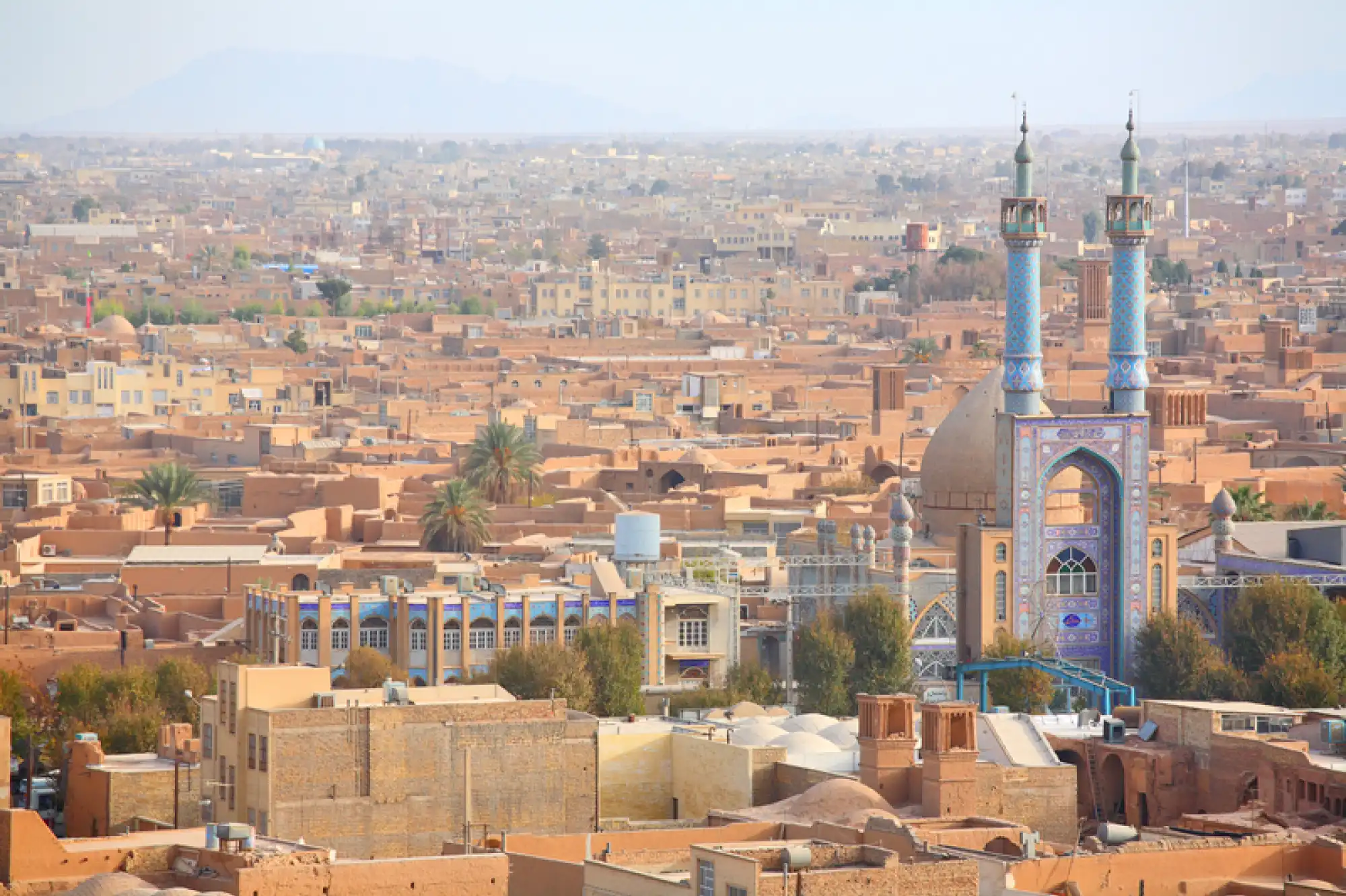
Although Iran has stated it does not intend to close the Strait of Hormuz, ships began avoiding the area almost immediately after the conflict escalated on Saturday, and Qatar announced a temporary suspension of maritime traffic - developments that further fuel uncertainty in global energy markets.

















Comentează